
ArticlesNo Comments

Introduction
The wing is the heart of an aircraft’s design – it’s what makes flight possible. The shape, angle, and structure of a wing determine how air flows around it, how much lift is generated, and how efficiently an aircraft moves through the sky.
Over the decades, aircraft designers have experimented with various wing shapes and configurations, optimizing for speed, range, stability, and maneuverability. Let’s explore the main types of aircraft wings and understand their aerodynamic effects.
1. Straight Wing
Description:
The straight wing is the simplest and oldest design – extending directly from the fuselage at a right angle. It’s common in slow-flying aircraft such as trainers, small private planes, and gliders.
Examples: Cessna 172, Piper Cub
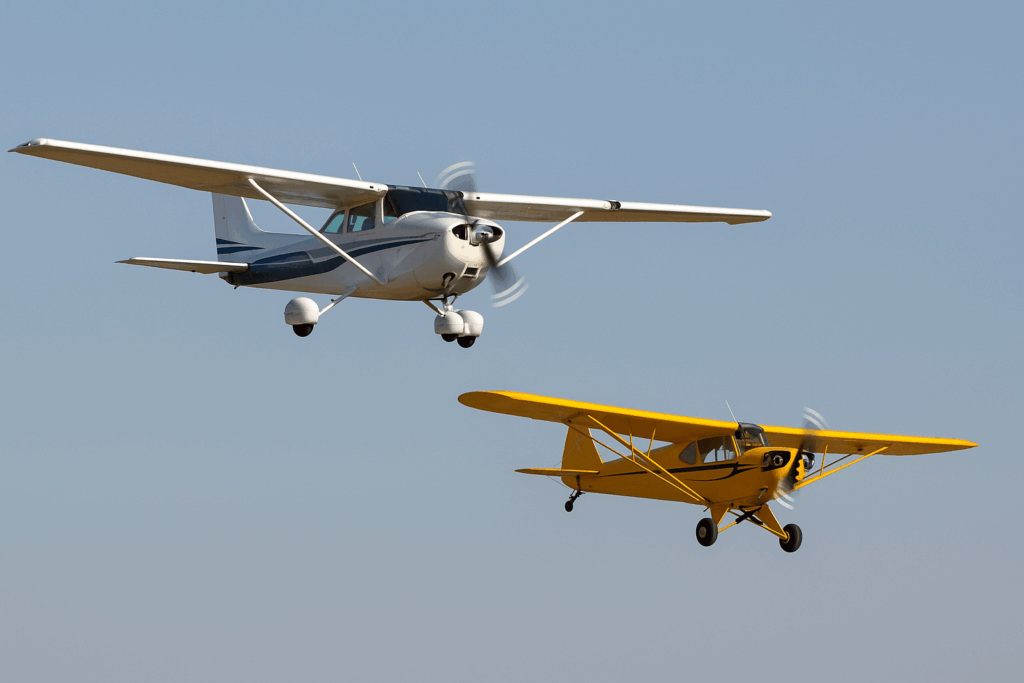
Aerodynamic Effects:
- Generates high lift even at low speeds.
- High drag, limiting maximum speed.
- Excellent for short takeoff and landing (STOL) operations.
- Provides stable flight, ideal for beginners and light aircraft.
Best suited for: Low-speed, general aviation, and cargo planes.
2. Swept Wing
Description:
A swept wing is angled backward (sometimes forward) to delay the onset of shock waves at high speeds. This design is a hallmark of jet aircraft.
Examples: Boeing 747, F-16 Fighting Falcon
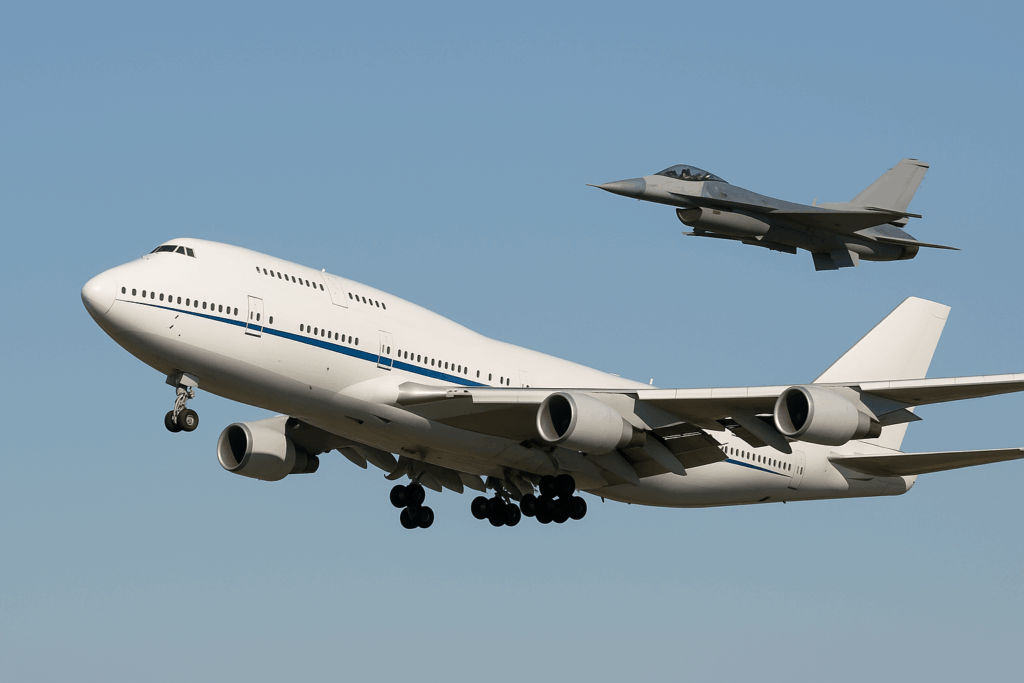
Aerodynamic Effects:
- Reduces wave drag at transonic and supersonic speeds.
- Allows aircraft to fly faster by delaying shockwave formation.
- Slightly reduces lift efficiency at low speeds.
- Can cause wingtip stall first, affecting handling at low speed.
Best suited for: High-speed jetliners and fighter aircraft.
3. Delta Wing
Description:
The delta wing, shaped like a triangle (Δ), combines high strength with good supersonic performance. It’s widely used in supersonic aircraft and some experimental designs.
Examples: Dassault Mirage, Concorde
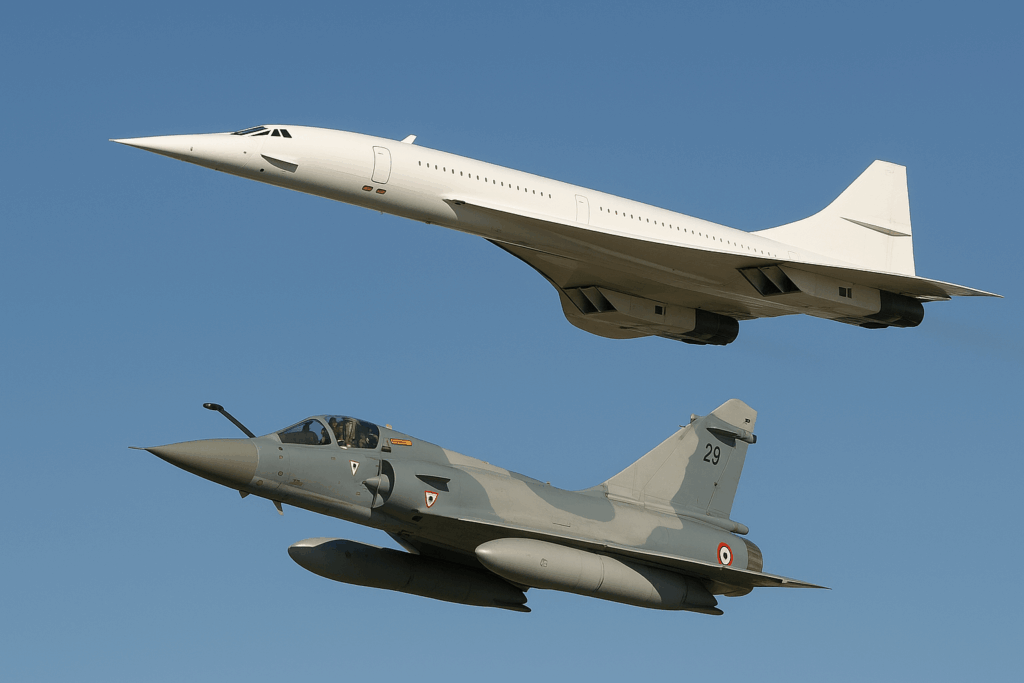
Aerodynamic Effects:
- Excellent supersonic efficiency with reduced drag.
- Large surface area provides good lift at high angles of attack.
- High structural strength — ideal for withstanding high speeds.
- Poor low-speed handling — requires high landing speeds.
Best suited for: Supersonic jets and experimental aircraft.
4. Tapered Wing
Description:
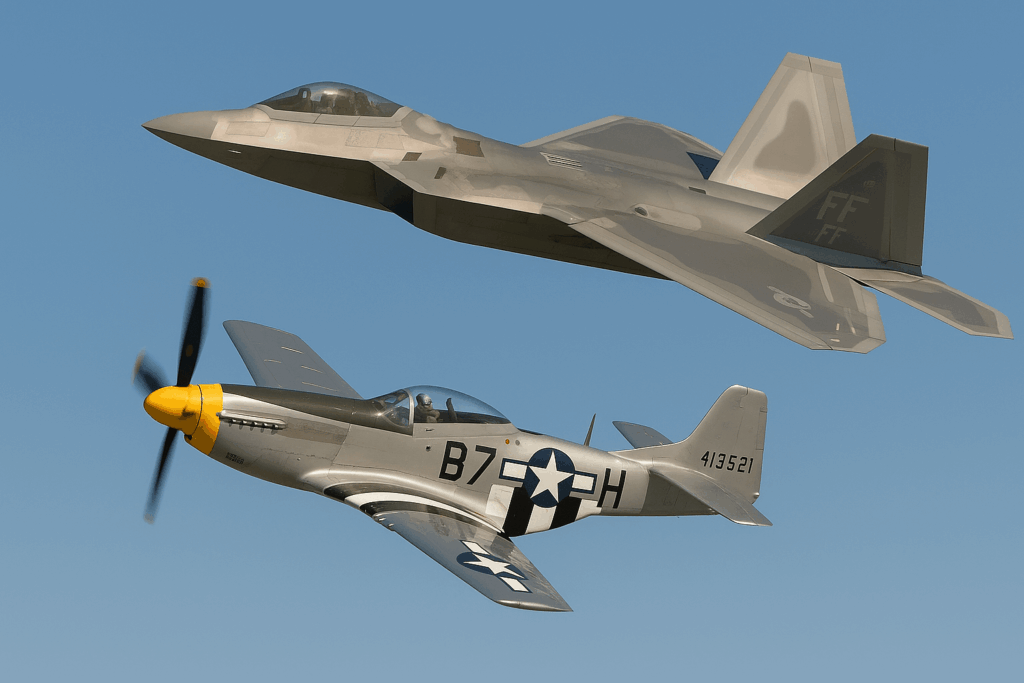
A tapered wing narrows toward the tip, reducing drag while improving structural efficiency. It’s a compromise between straight and elliptical wings.
Examples: P-51 Mustang, many modern airliners
Aerodynamic Effects:
- Balanced lift distribution and drag reduction.
- Improved stall characteristics compared to elliptical wings.
- Better fuel efficiency due to lower induced drag.
Best suited for: High-performance propeller aircraft and efficient airliners.
5. Elliptical Wing
Description:
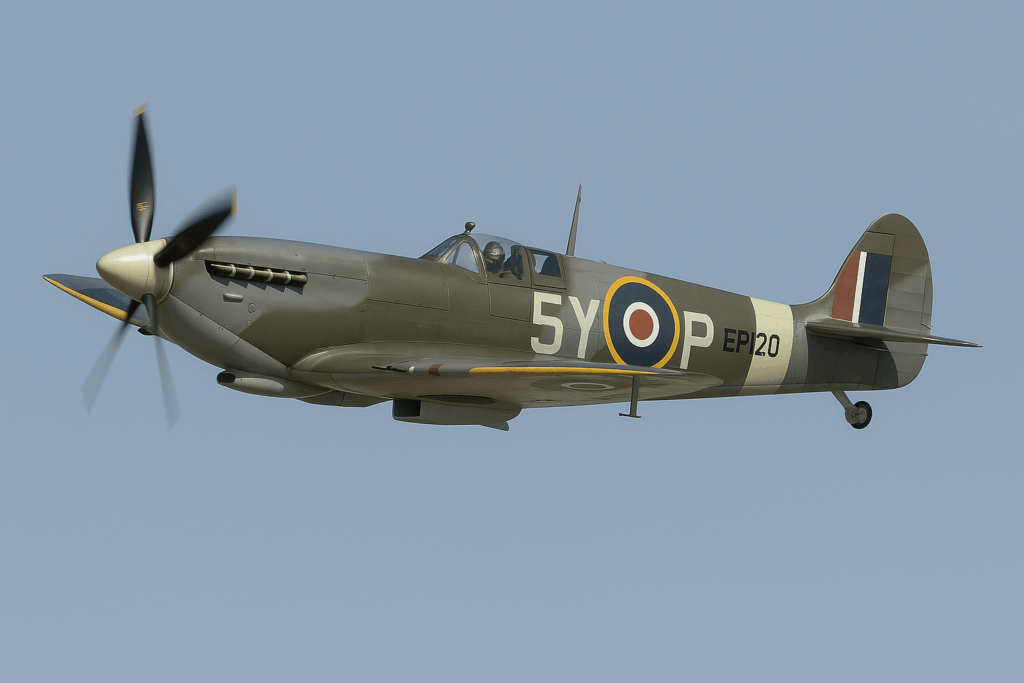
An elliptical wing has a smooth, curved outline designed to produce uniform lift across its span, minimizing induced drag.
Example: Supermarine Spitfire (WWII)
Aerodynamic Effects:
- Most efficient lift distribution among all wing types.
- Low induced drag → excellent aerodynamic performance.
- Complex manufacturing → high cost.
- Sensitive stall characteristics — stall starts suddenly across the wing.
Best suited for: High-performance aircraft where efficiency outweighs complexity.
6. Variable-Sweep (Swing) Wing
Description:
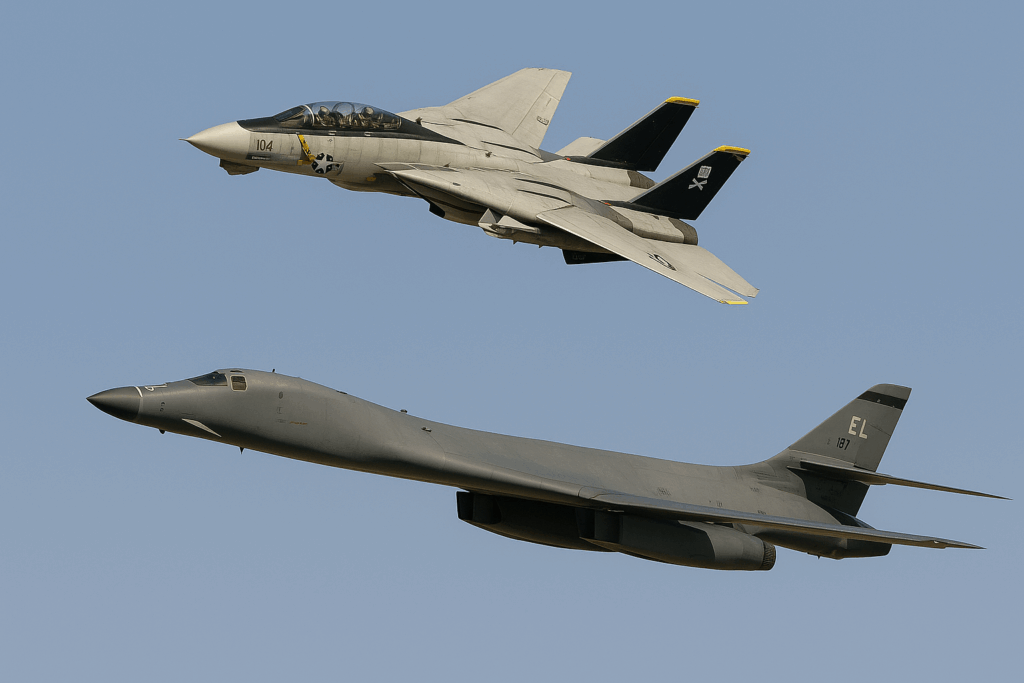
A variable-sweep wing can change its sweep angle during flight — extended for takeoff/landing and swept back for high-speed flight.
Examples: F-14 Tomcat, B-1 Lancer
Aerodynamic Effects:
- Provides versatility — high lift at low speed, low drag at high speed.
- Mechanically complex and heavy.
- Ideal for multi-role military aircraft.
Best suited for: Fighter and bomber aircraft with diverse flight envelopes.
Aerodynamic Comparison Table
| Wing Type | Speed Range | Lift Efficiency | Drag | Stability | Use Case |
|---|---|---|---|---|---|
| Straight | Low | High | High | Very Stable | Trainers, cargo |
| Swept | High | Medium | Low | Moderate | Jetliners, fighters |
| Delta | Very High | Medium | Low | Less stable | Supersonic jets |
| Tapered | Medium–High | High | Low | Stable | Airliners, fighters |
| Elliptical | Medium | Very High | Very Low | Moderate | WWII fighters |
| Variable-Sweep | Wide range | Adaptive | Adaptive | Stable | Bombers, advanced jets |
Conclusion
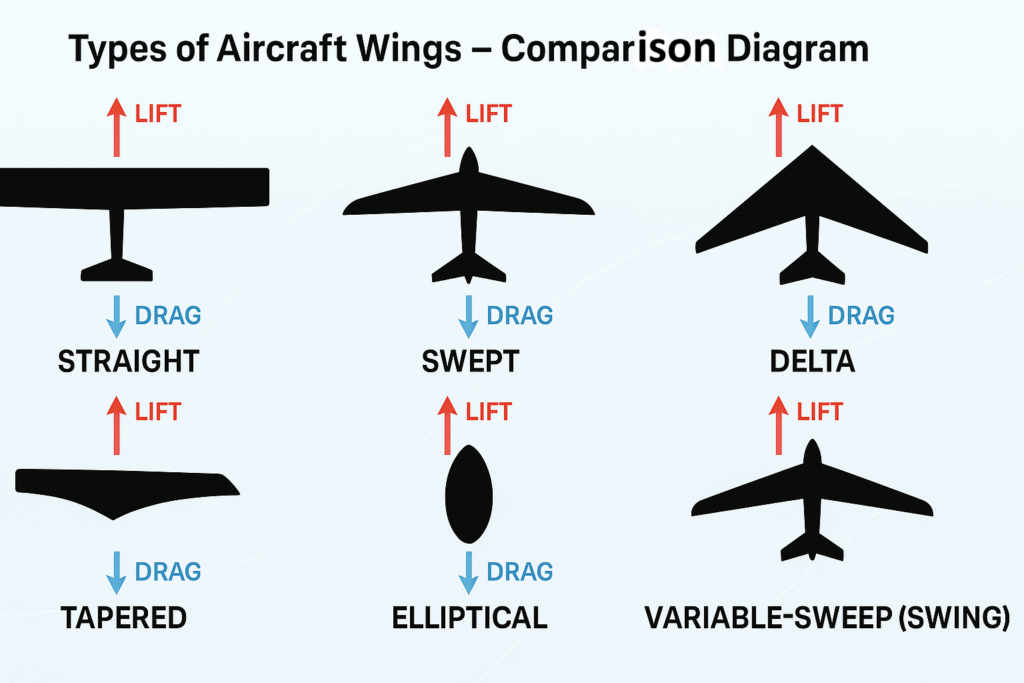
The shape of a wing defines the character of flight.
From the stability of straight wings to the speed of swept and delta designs, each configuration represents a different balance of lift, drag, and control.
Understanding these designs helps engineers build aircraft that are optimized for specific missions -whether it’s gliding smoothly, breaking the sound barrier, or carrying passengers across continents.
Be the first to post a comment.